Floppy ears are charming and, anatomically, a small trap. A hanging ear flap covers the canal, limits airflow, and holds warmth and moisture in exactly the place yeast and bacteria prefer. Fluffy ears add a second issue: hair growing inside the canal that can hold debris and wax against the ear. None of this means floppy and fluffy dogs are destined for ear infections, plenty live their whole lives with clean ears, but it does mean their ears reward a regular check and punish being ignored. This checklist from Whiskers Nails & Puppy Dog Tails in Shelby works through what to look at, in order, with the pass and fail signs for each line, and marks clearly where grooming stops and veterinary care starts.
What a healthy ear looks and smells like
A healthy dog ear is pale pink inside, mostly dry, with little odor and no more than a small amount of light wax. The dog ignores it. No head shaking beyond the ordinary full-body shake after a bath, no scratching at it, no sensitivity when you handle the ear during normal petting. Learn your dog's normal by looking weekly, because every red-flag judgment later is a comparison against that baseline, and owners who check weekly catch changes while they are still a cleaning question rather than a treatment question.
Cleaning, when it is needed, is gentle and external in spirit even when solution goes into the canal. A veterinarian-approved ear cleaner is applied as its label directs, the base of the ear is massaged so the solution works down and back up, the dog shakes, and you wipe what comes out with cotton or gauze. Never push cotton swabs down into the canal. A swab packs debris deeper, can injure the canal, and cleans the part you can see while worsening the part you cannot. If the ear is painful, very red, or produces a lot of dark or smelly discharge, do not clean it and book the vet instead. Cleaning an infected ear hurts, can spread the problem, and sometimes the canal needs to be examined before anything goes into it.
Weekly ear check, in order
- Smell first: pass if the ear smells like almost nothing; fail if there is a sweet, yeasty, or sour odor, which is one of the earliest signs of a yeast or bacterial problem starting.
- Color check: pass if the inner ear is pale pink and calm; fail if it is red, hot-looking, or swollen, which means leave it alone and call a veterinarian rather than cleaning it.
- Discharge check: pass if you see little or no wax, or a small amount of light tan wax; fail if there is dark brown or black crumbly debris, yellow discharge, or anything that wipes off in quantity, all vet-first signs.
- Behavior check: pass if the dog ignores its ears; fail if there is repeated head shaking, ear scratching, head tilting, or yelping when the ear is touched, which together point past grooming entirely.
- Moisture check after swims and baths: pass if ears get dried and checked the same day a floppy-eared dog swims or is bathed; fail if water sits in covered canals for days, the classic setup for a Shelby summer ear infection.
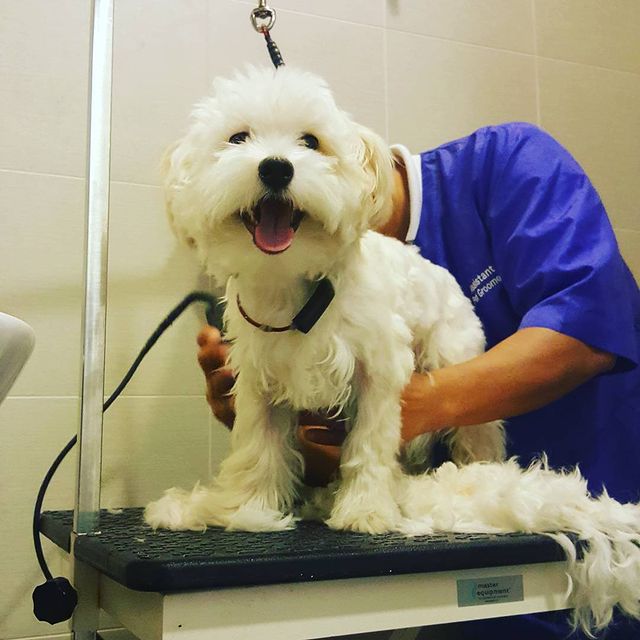
- Hair check for fluffy ears: pass if canal hair is managed on your groomer's or vet's advice and the canal looks open; fail if dense hair mats with wax at the canal opening, trapping debris where you cannot wipe it away.
The hair-in-the-canal question, honestly
Ear hair plucking used to be automatic in grooming, and practice has become more selective, because the evidence and veterinary opinion have shifted. Plucking hair from a healthy ear canal can irritate the follicles and, in some dogs, seems to invite the very inflammation it was meant to prevent. Current common practice is to pluck or trim canal hair when it is dense, matted with wax, or part of a vet-directed plan for a dog with recurring problems, and to leave modest, clean hair alone. That judgment belongs in a conversation between you, your groomer, and your veterinarian, especially for breeds like poodles and doodles whose canal hair keeps growing. What is not debatable is the goal: an open canal that drains and dries, checked often, with no technique applied by habit alone.
Groomer lines and vet lines
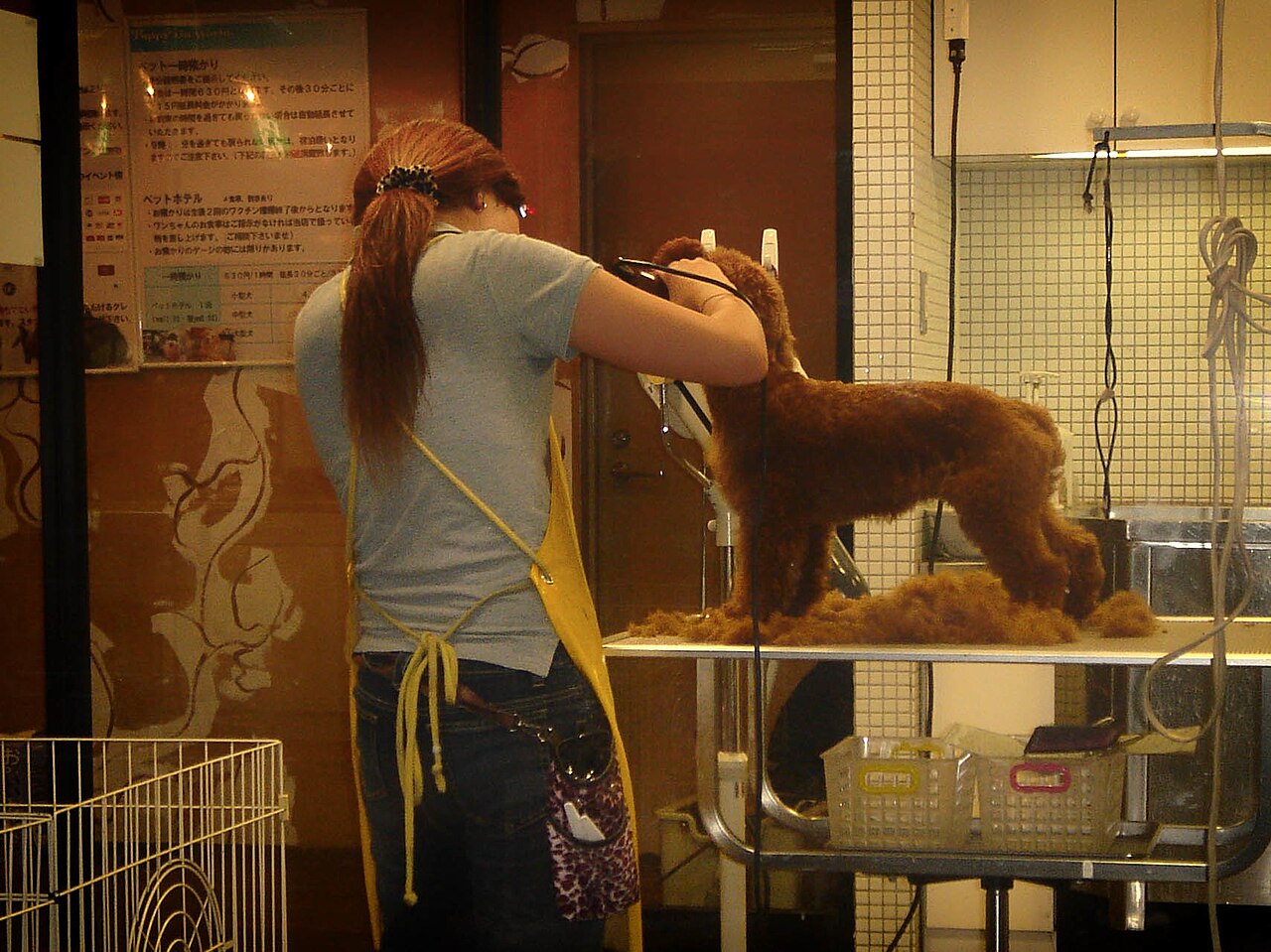
A groomer cleans healthy ears as part of a bath and groom, wipes the visible ear, manages external hair, dries ears properly after the bath, and reports anything smelled, seen, or wiped away that looked off. That report is a real service. Groomers' hands and noses find early ear problems constantly, weeks before an owner notices the head shaking. Take the report seriously and promptly; ear problems are notably easier and cheaper on the dog in week one than in week four.
A veterinarian owns everything past the checklist's fail lines: redness, odor with discharge, pain, swelling, balance changes, or any ear problem that keeps coming back. Recurring infections usually have an underlying driver, allergies being the most common in this region, and cleaning alone will never outrun a driver nobody has treated. So the division of labor in Shelby is simple. You check weekly. The groomer cleans and reports at every groom. The vet treats anything that fails the checklist. Floppy and fluffy ears do fine under that system, which is fortunate, because there are a great many of them and they are not getting any less charming.
Common questions
How often should I clean my dog's ears?
Check weekly, clean only when there is light wax or after swimming and baths for floppy-eared dogs. Over-cleaning healthy ears irritates them, and an ear that needs constant cleaning is usually an ear a veterinarian should examine.
Should ear hair always be plucked?
No. Practice now is selective: remove or trim canal hair when it is dense, matted, or part of a vet-directed plan, and leave modest clean hair alone. Ask your groomer and veterinarian what fits your dog.
What is the first sign of an ear infection?
Most often a new odor, sweet or sour, paired with head shaking or scratching, sometimes before the ear looks very red. Catch it at the smell-and-shake stage and the veterinary fix is usually straightforward.
Photos in this guide are representative stock images.
← All guides from Whiskers Nails & Puppy Dog Tails← Back to Whiskers Nails & Puppy Dog Tails