How often should a dog get a bath? The honest answer is a range with reasons, not a number. A mostly indoor short-coated dog might need a bath every four to six weeks. A dog who swims, rolls in Shelby red clay, or has an oily double coat might need one every two to three. And a dog bathed every week with the wrong shampoo can end up itchier and smellier than a dog bathed monthly, because over-bathing creates the very problems owners are trying to wash away. This guide works through the skin and coat logic, then the cost of getting the interval wrong in either direction.
Skin first, coat second, lifestyle third
A dog's skin maintains a surface layer of natural oils that protects it and keeps the coat water-resistant and comfortable. Bathing removes dirt, allergens, loose hair, and excess oil, and it also removes some of that protective layer every time. Healthy skin replaces it within days. Bathing again before it recovers, week after week, strips faster than the skin can rebuild, and the result is dryness, flaking, and itching that owners often misread as the dog needing another bath. That loop, wash, itch, wash more, is the most common bathing mistake groomers see.
Product matters as much as frequency. Dog skin is less acidic than human skin, and shampoos made for people, especially anti-dandruff and clarifying types, are formulated for a different pH and can irritate a dog's skin badly with repeat use. A dog shampoo, diluted and rinsed thoroughly, is not a marketing nicety. The rinsing half matters too: shampoo residue left in a thick coat is a leading cause of post-bath itching, and it takes longer to rinse a double coat truly clean than most home baths allow.
Lifestyle sets the real interval. A dog who hikes, swims in ponds, daycares with other dogs, or works outdoors collects dirt and odor faster than skin oil alone explains, and bathing on the shorter rhythm is correct for that dog. A senior indoor dog with dry skin sits at the opposite end, where a bath every six weeks with a gentle, moisturizing product and thorough drying is the kinder schedule. Breed and coat type refine it further: oily breeds and dogs prone to a musty coat odor need more frequent baths, while wiry and double coats often need fewer baths and more brushing between them.
The cost of waiting too long
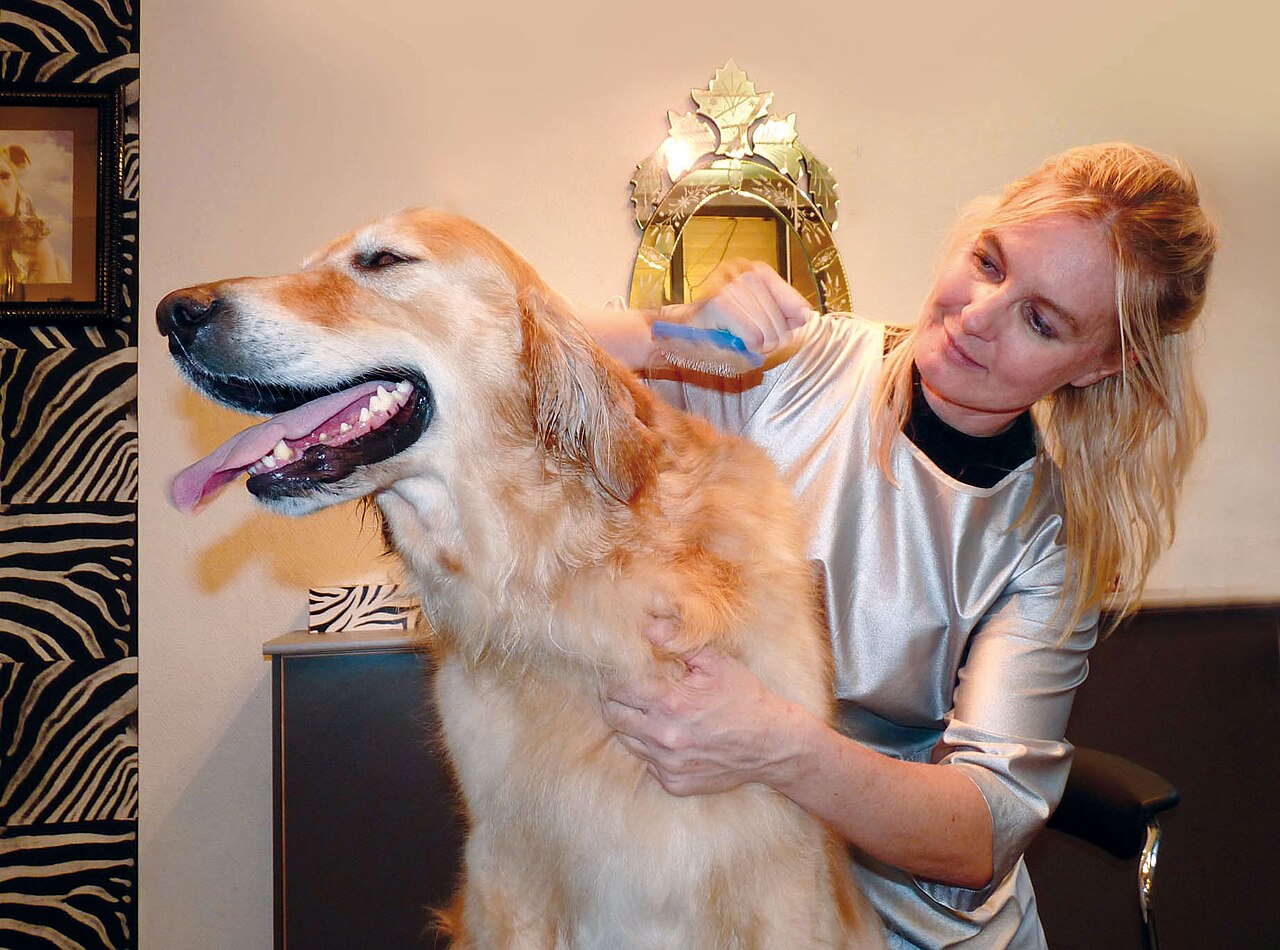
Neglect has its own bill, paid in coat and skin rather than money. Dirt and loose undercoat left in place hold moisture against the skin, and a coat that stays damp underneath, after rain or a swim nobody dried properly, becomes a good environment for odor and irritation. Loose hair that a bath and blow-out would remove instead mats into the coat, especially behind the ears, in the armpits, and where a collar sits. By the time an overdue dog reaches Whiskers Nails & Puppy Dog Tails, the bath is the easy part. The work is the matted undercoat that built up one skipped month at a time.
There is also a diagnostic cost. Regular bathing and grooming is when lumps, ticks, hot spots, ear trouble, and skin changes get noticed, often by the groomer's hands before the owner's eyes. Dogs on a steady rhythm get their changes caught small. Dogs bathed rarely get them caught late. For a Shelby dog in tick season, April through September especially, that hands-on check is not a bonus. It is part of the point.
The itchy dog, sorted carefully
If your dog itches, resist the reflex to bathe more often with a stronger product. First, consider the common causes in order: shampoo residue or a human product irritating the skin, bathing too frequently, fleas, environmental allergies to pollen and grasses, which are heavy in Piedmont springs, and food or skin conditions that no bath schedule will fix. A medicated bath can be part of a plan for some skin conditions, but that plan should come from a veterinarian who has seen the skin, because the right product and frequency differ by diagnosis.
What a groomer can do is bathe correctly for the skin in front of them: an appropriate dog shampoo, full rinsing, complete drying down to the skin, and an honest report of anything found. If itching persists between correct baths, that report is worth taking to a vet rather than escalating the baths. Itch is information. Washing it harder does not answer it.
A rhythm you can keep
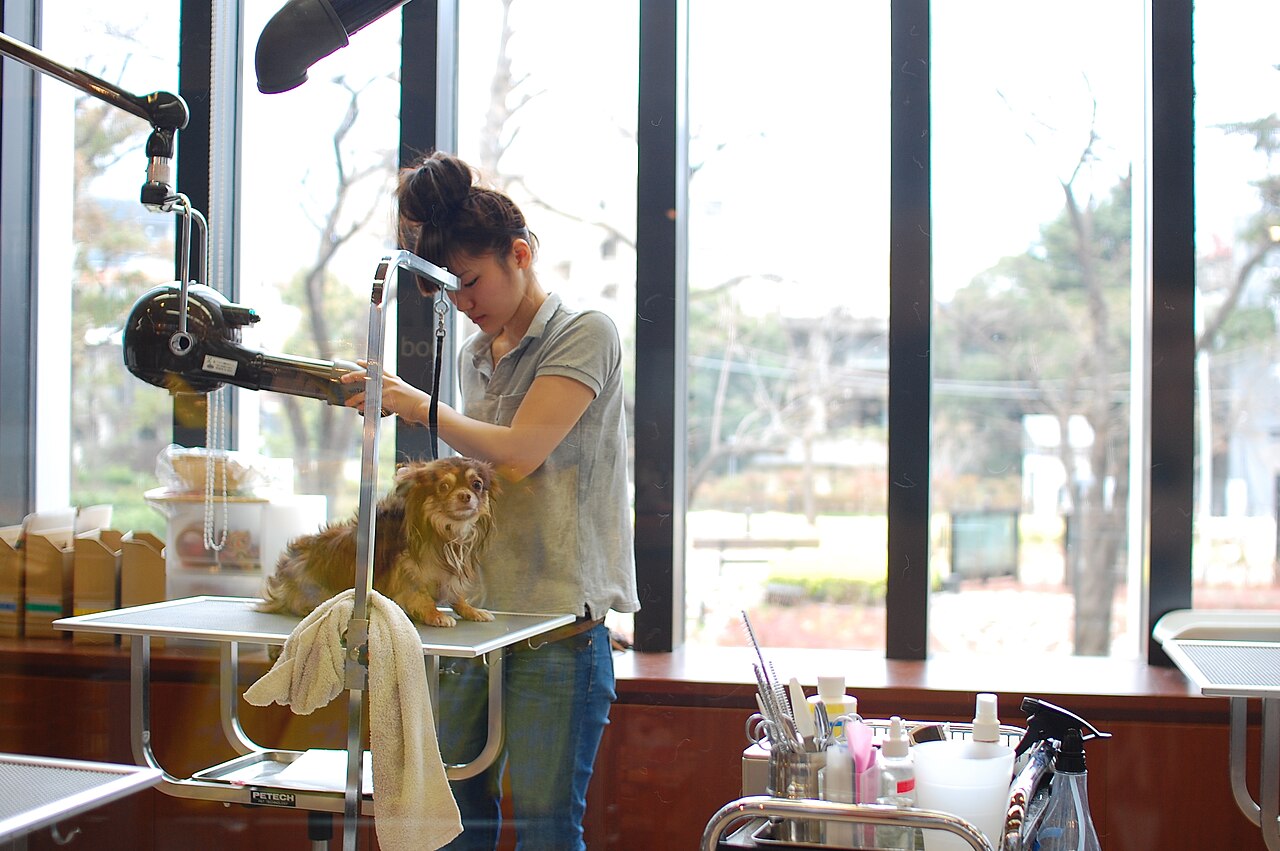
Set the bath by the calendar and adjust by the dog. Start at monthly for an average dog, add brushing once or twice a week for coated breeds, and shorten toward three weeks if odor and dirt clearly arrive sooner. Lengthen if the skin flakes or the coat feels dry and brittle. Between baths, a damp cloth wipe-down handles muddy paws and most of what a Shelby yard offers, without touching the skin's oil balance. When in doubt, ask at the groom what interval your dog's coat actually suggests. It is a two-minute conversation that prevents both the stripped, itchy dog and the matted, overdue one.
Common questions
Can I bathe my dog every week?
Most dogs should not be, unless a veterinarian has prescribed a medicated schedule. Weekly bathing with ordinary shampoo commonly strips skin oils faster than they recover, leading to dryness and more itching, not less.
Is human shampoo okay in a pinch?
Once, in a true pinch, a mild human shampoo rinsed very thoroughly is unlikely to be a disaster. Regularly, no. Dog skin has a different pH, and human products, especially anti-dandruff types, commonly irritate it with repeat use.
My dog smells again a few days after a bath. What is wrong?
Usually the coat was not dried fully to the skin, the ears need attention, or the odor is coming from skin or glands rather than dirt. If a correctly bathed and dried dog still smells strong within days, have a veterinarian check the skin and ears.
Photos in this guide are representative stock images.
← All guides from Whiskers Nails & Puppy Dog Tails← Back to Whiskers Nails & Puppy Dog Tails